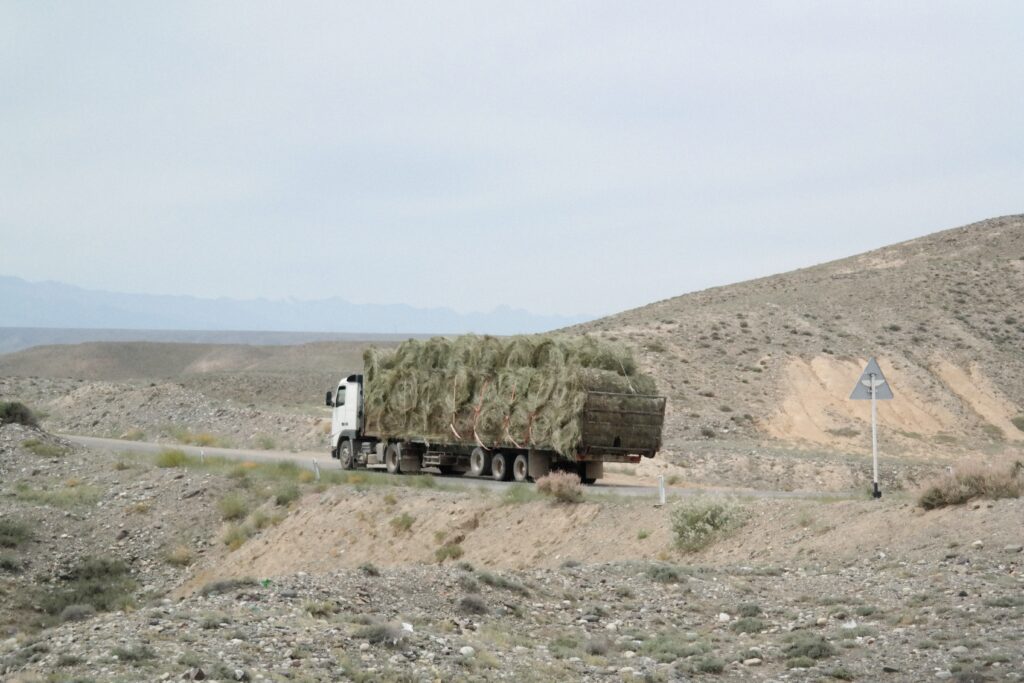
A farm truck crash can leave you hurt, confused, and facing bills you did not plan for. It also raises a hard question right away. Who pays? The answer is rarely just the driver. In Yuma County, a farm truck, tractor, or produce hauler can involve a driver, a farm, a trucking company, a shipper, and a repair shop. Each one may share part of the blame. This guide explains who can be held liable, which safety rules apply, what evidence to protect, and what compensation may be available.
Farm Trucks and Rural Roads in Yuma County
Yuma County is a major farming area, and harvest season fills its roads with heavy equipment. Semi-trucks carry produce bins to processing plants. Flatbeds haul machinery and supplies. Tractors and combines crawl along the same two-lane roads that commuters use every day. Every one of these drivers owes a duty of reasonable care to everyone else on the road, and that duty does not change because the vehicle was built for the field.
The numbers show how common large truck crashes are. Arizona recorded 14,069 crashes involving semi-trucks and other large commercial vehicles in 2024, according to the Arizona Department of Transportation. That is nearly 6% of all crashes in the state.
Hazards on Rural Roads
Rural roads create problems that city streets do not. Sightlines are short at many intersections. Shoulders are often unpaved or soft. Dust, loose gravel, and debris can cover the lanes. Seasonal traffic adds more trucks and slow equipment at the same time.
A loaded truck needs more room to stop and a wider path to turn. When a driver does not adjust, the results can be bad. Rear-end crashes, underride crashes, and jackknife wrecks are common. Speeding, distraction, fatigue, and poor loading are usually behind them.
Rules Farm Vehicles Must Follow
Tractors and combines are made for off-road work, but they sometimes have to use public roads. When they do, they must follow the same traffic laws as any other vehicle. They typically need slow-moving vehicle warning signs in a visible spot. They may need lights so other drivers can see them after dark. They also need to stay as far right as they can so traffic can pass.
Crashes often happen when a driver comes around a curve or tops a hill and cannot stop in time. If the farm vehicle had no warning sign, no working lights, or was driven unsafely, the operator may share the blame.
Who Can Be Held Liable After a Farm Truck Crash
Liability depends on what caused the crash and who controlled each part of the job. Several parties may be responsible at once.
The Driver
A driver is responsible for driving safely. Speeding, texting, falling asleep, ignoring road conditions, and breaking traffic laws are all forms of driver negligence.
The Farm or Trucking Company
Under a legal rule called respondeat superior, an employer can be held responsible for harm an employee causes while doing the job. A driver may work directly for a farm, for a hauling company, or as a contractor for a large produce distributor. Some drivers own their trucks. Each setup changes who may owe you compensation. Whether the driver was an employee or the farm owner, the business behind the work can often be held accountable.
Companies can also be at fault for their own choices, such as:
- Setting schedules that push drivers to skip rest
- Hiring drivers who are not qualified
- Loading trucks with too much weight
- Skipping brake checks and other maintenance
Shippers, Loading Crews, and Repair Shops
A shipper or loading facility that overloads a trailer may share the blame. So may a repair shop that missed a brake or steering problem. This is why a full investigation matters. Looking only at the driver can leave other responsible parties out of your claim.
Safety Rules That Apply to Haulers
Trucks that cross state lines must follow federal motor carrier safety rules. Many of those same standards also apply to trucks that stay inside Arizona. The rules cover vehicle inspections, driver qualification files, and weight limits. Under Title 49 of the Code of Federal Regulations, both the operating company and a maintenance shop can be held responsible when poor upkeep leads to a crash.
Inspections must cover brakes, steering, tires, and hitch parts. Produce trailers put heavy strain on these parts, so a worn brake or bad tire can leave a driver unable to stop.
Cargo rules matter too. Loose produce boxes, shifting bins, and uneven liquid loads can change how a truck handles on a sharp curve. Federal rules set tie-down standards and weight limits to prevent spills and rollovers. After a crash, investigators check shipping manifests, loading dock records, and weight station tickets to see whether a bad load played a part.
Harvest Pressure and Driver Fatigue
Crops spoil fast, so hauling companies often work against tight deadlines. That pressure can turn into long shifts for drivers. A tired driver reacts slower, misses hazards, and makes bigger mistakes on long, empty stretches of road.
Federal and state rules limit driving hours and require rest breaks. Still, farm exemptions and seasonal rush can tempt carriers to push past safe limits. Electronic logging device records, dispatch logs, and fuel receipts can show a driver’s real timeline. They can reveal whether fatigue played a role.
Injuries and Insurance in Farm Vehicle Crashes
Farm vehicles are dangerous even at low speeds. Tractors are tall and heavy, so they can cause severe damage and catastrophic injuries to people in smaller vehicles. The operator is at risk too. Older tractors often lack the safety restraints and systems found in standard vehicles. If a car hits one from behind, the operator can be thrown from the cab.
Nationally, 5,218 large trucks were involved in fatal crashes in 2024, based on National Safety Council data. These crashes can change lives in seconds.
Insurance is another question. Farm equipment often lacks the coverage that most road vehicles must carry. The good news is that most agricultural businesses carry insurance for operational liability. That policy may cover injuries and property damage after a crash on a public road. Expect commercial insurance adjusters to work hard to pay as little as possible, so be careful what you say to them.
Evidence That Can Disappear After a Crash
Trucking companies often send their own investigators to a crash scene within hours. Meanwhile, key records can be repaired, erased, or thrown away. Evidence that may matter includes:
- Electronic control module and event data recorder data showing speed, braking, and steering
- GPS tracking records
- Maintenance and inspection logs
- Driver qualification files
- Weight tickets, manifests, and loading records
- Police reports, witness statements, and photos of the scene
A lawyer can send a preservation letter that tells the company to keep these records. An independent accident reconstruction and vehicle inspection can also help before memories fade.
Compensation After a Farm Truck Crash
People hurt in these crashes may be able to recover medical expenses, lost wages, rehabilitation costs, and property damage. They may also recover non-economic losses such as pain and suffering. Keep every bill, pay stub, and doctor note. Arizona also sets a deadline for filing an injury lawsuit, which is generally two years from the crash, so waiting can cost you your claim.
Frequently Asked Questions
Can a farmer be sued for a tractor crash on a public road?
Yes. If a tractor operator broke a traffic law or drove unsafely, the operator and the farm business may be held responsible. Many farms carry liability insurance that applies to road crashes.
What if the farm truck driver was an independent contractor?
Contractor status does not end the claim. The hauler, the farm, or the distributor who hired the driver may still share liability, depending on who controlled the schedule, the load, and the truck. A lawyer can review the contracts and records.
What should I do first after a crash with a farm truck?
Get medical care and call the police. Take photos, collect witness names, and write down what you remember. Do not give a recorded statement to an insurance adjuster before you understand your rights.
Can I still recover money if I was partly at fault?
Often, yes. Arizona reduces your compensation by your share of fault instead of barring your claim. The other side may still try to blame you, so strong evidence matters.
Talk With a Yuma County Farm Truck Accident Lawyer
You do not have to face a farm company, a trucking carrier, and their insurers alone. Karnas Law Firm can review what happened, find every party that may be responsible, and move quickly to protect the evidence in your case. Call 928-723-0088 for a free consultation to talk about your crash and your options.